
Fine Line Is So Fine
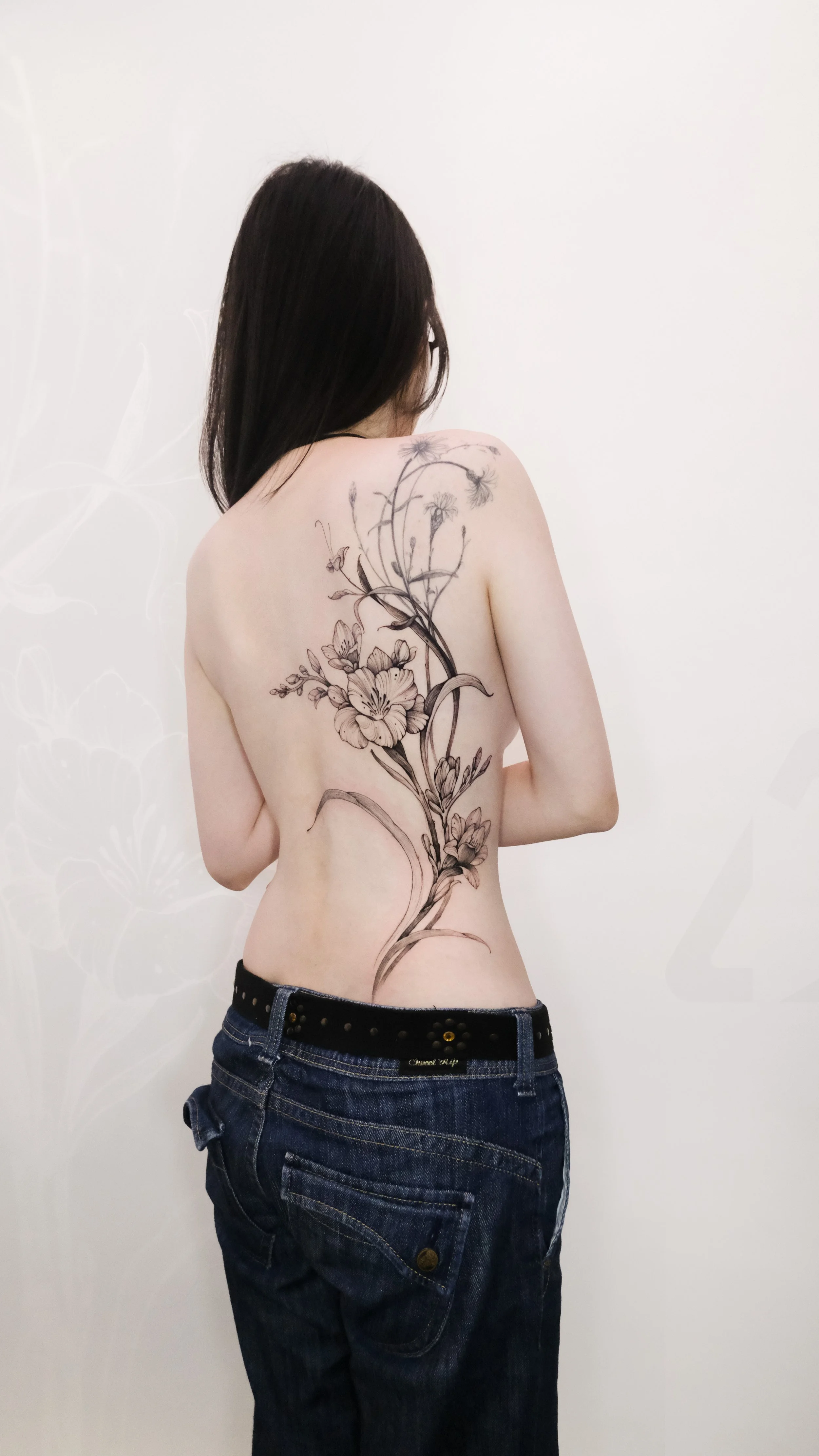
Delicate. Precise. Subtly Striking
Delicate Precise Subtly Striking
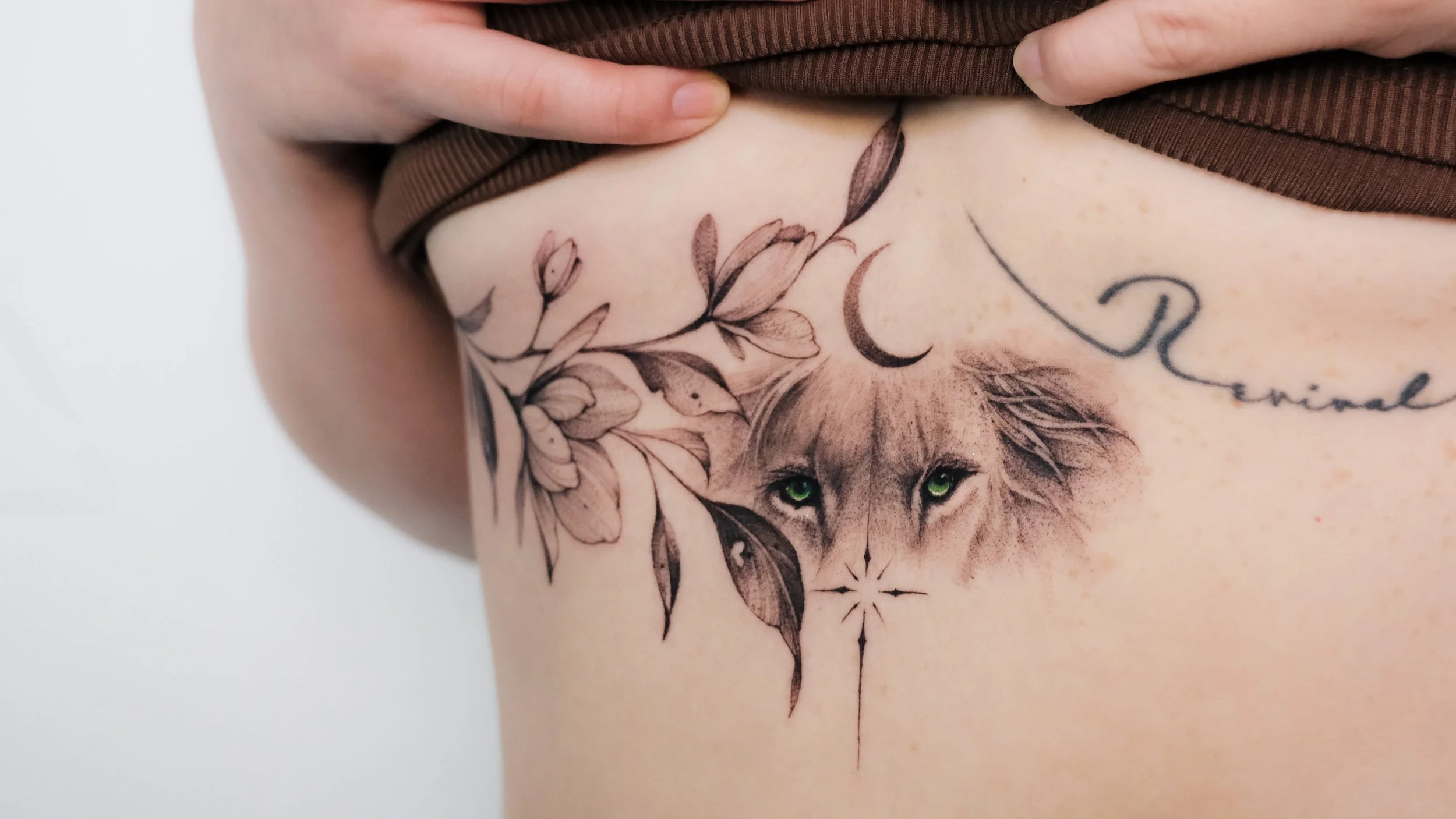
From minimalist botanicals and micro-realism to intricate script and modern geometric art, our artists craft fine-line tattoos that emphasize sharp detail, and effortless elegance.
What is a Fine-Line Tattoo?
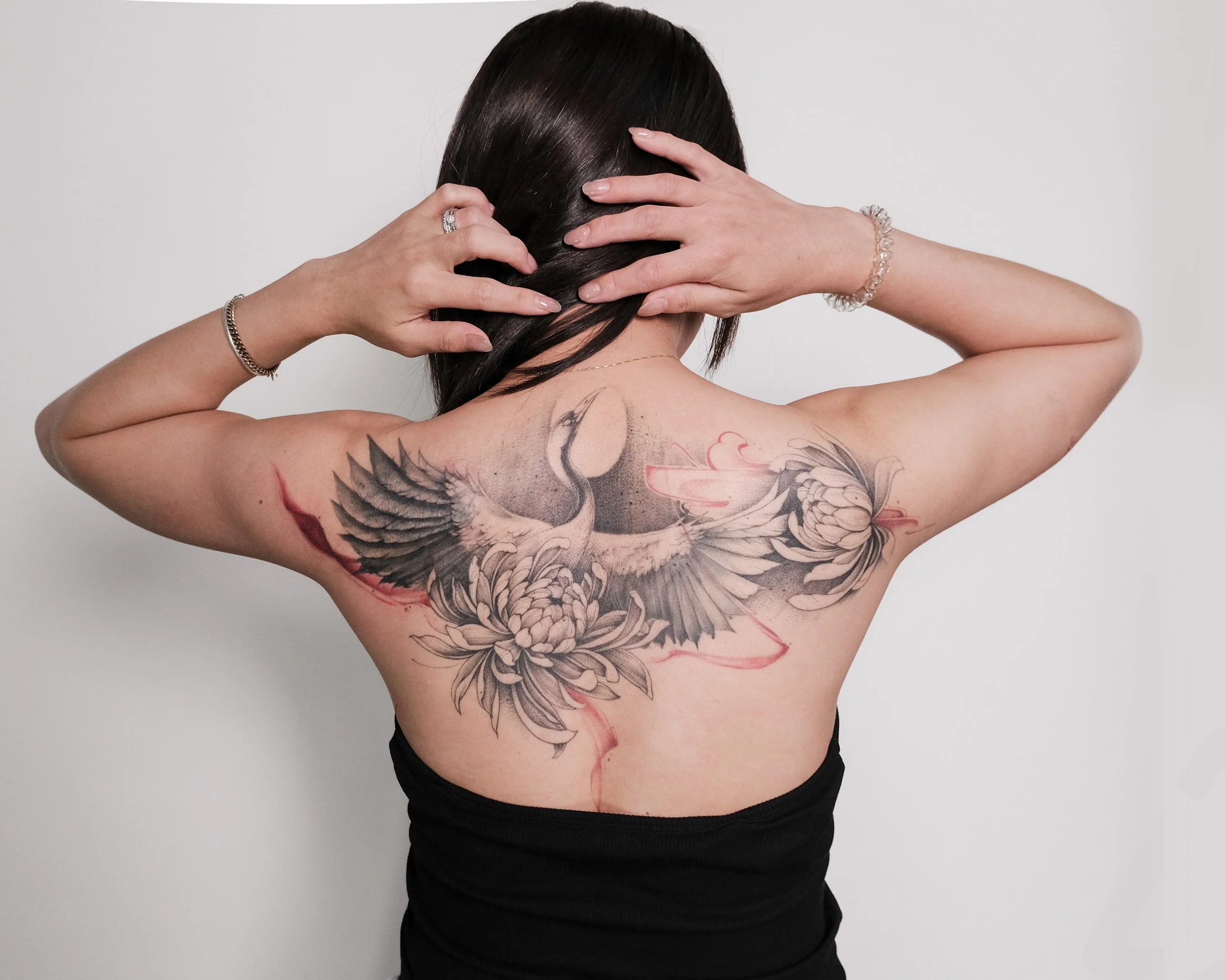
Fine-line tattooing is a specialized technique that uses single needles or small needle groupings to create exceptionally thin, crisp, and precise lines. Unlike traditional tattooing, which relies on heavy black outlines and dense shading, fine-line work focuses on soft detail, subtle gradients, and clean geometry. The result is a light, weightless aesthetic that often resembles fine pen-and-ink illustration or delicate pencil sketches on skin.
Why Choose a Fine-Line Tattoo?
Subtle & Elegant Aesthetics
Offers a soft, understated look that feels lightweight, modern, and visually refined without being overpowering.
Remarkable Precision & Detail
Allows artists to pack incredible detail into smaller spaces, making intricate concepts and tiny designs possible.
Versatile Placement
Looks effortlessly graceful on virtually any part of the body, especially delicate areas like fingers, wrists, ribs, and collarbones.
Versatile Style Range
Translates beautifully across a wide range of subjects, from minimalist line art and dainty typography to micro-realism.
Who Can Wear This Style?
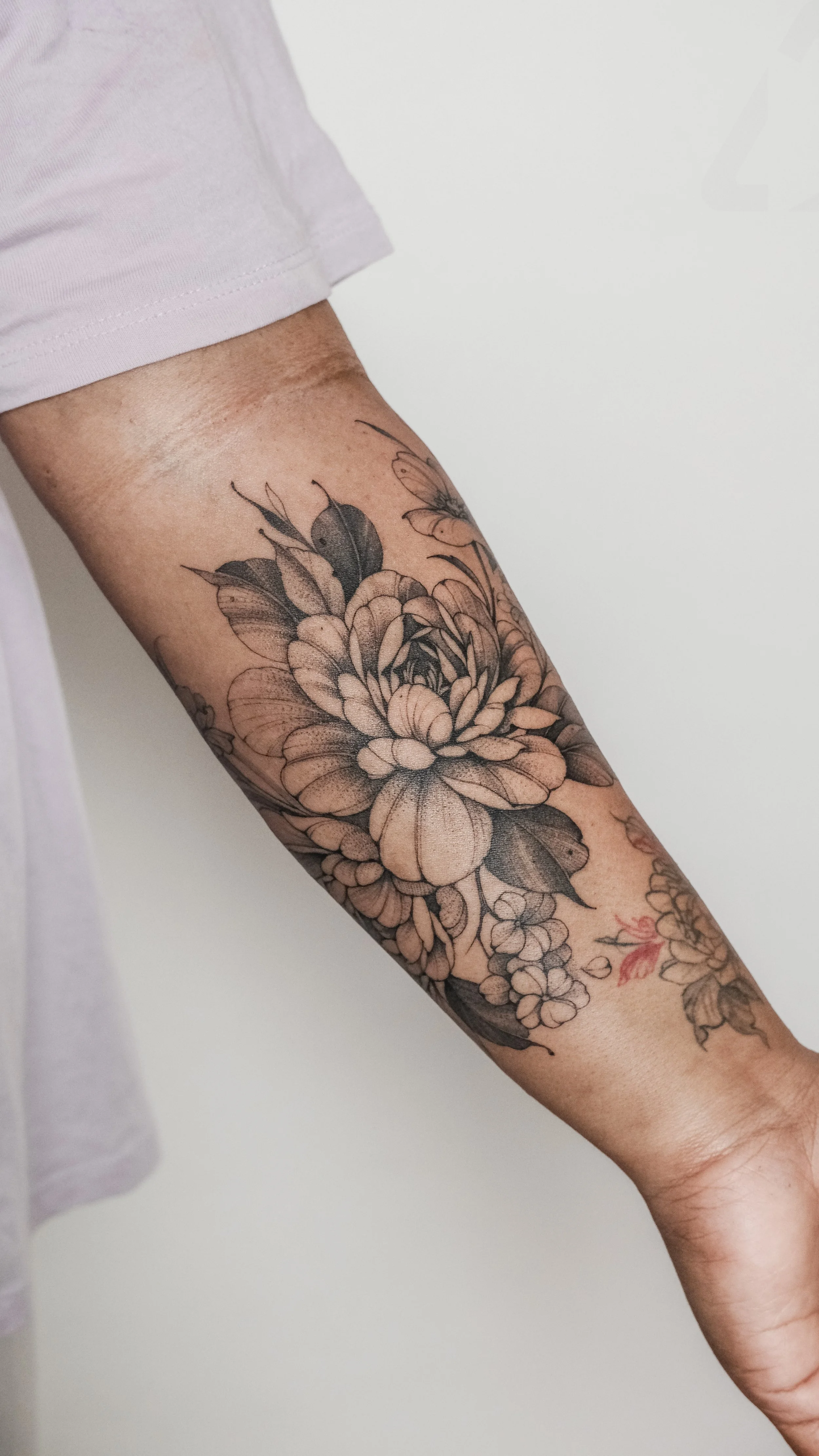
Anyone and everyone. Fine-line tattoos are one of the most accessible and versatile styles in modern tattooing:
First-Timers
Ideal for anyone getting their very first tattoo who wants something discreet, low-key, and easy to settle into.
Minimalist Lovers
Perfect for people who prefer clean, subtle art over heavy, saturated pieces.
Collectors of Small, Meaningful Art
Great for building a curated collection of small, standalone pieces or hidden gems across the body.
Detail Enthusiasts
Anyone looking to translate complex, highly detailed concepts into sleek, compact designs.
Popular Fine-Line Tattoo Ideas
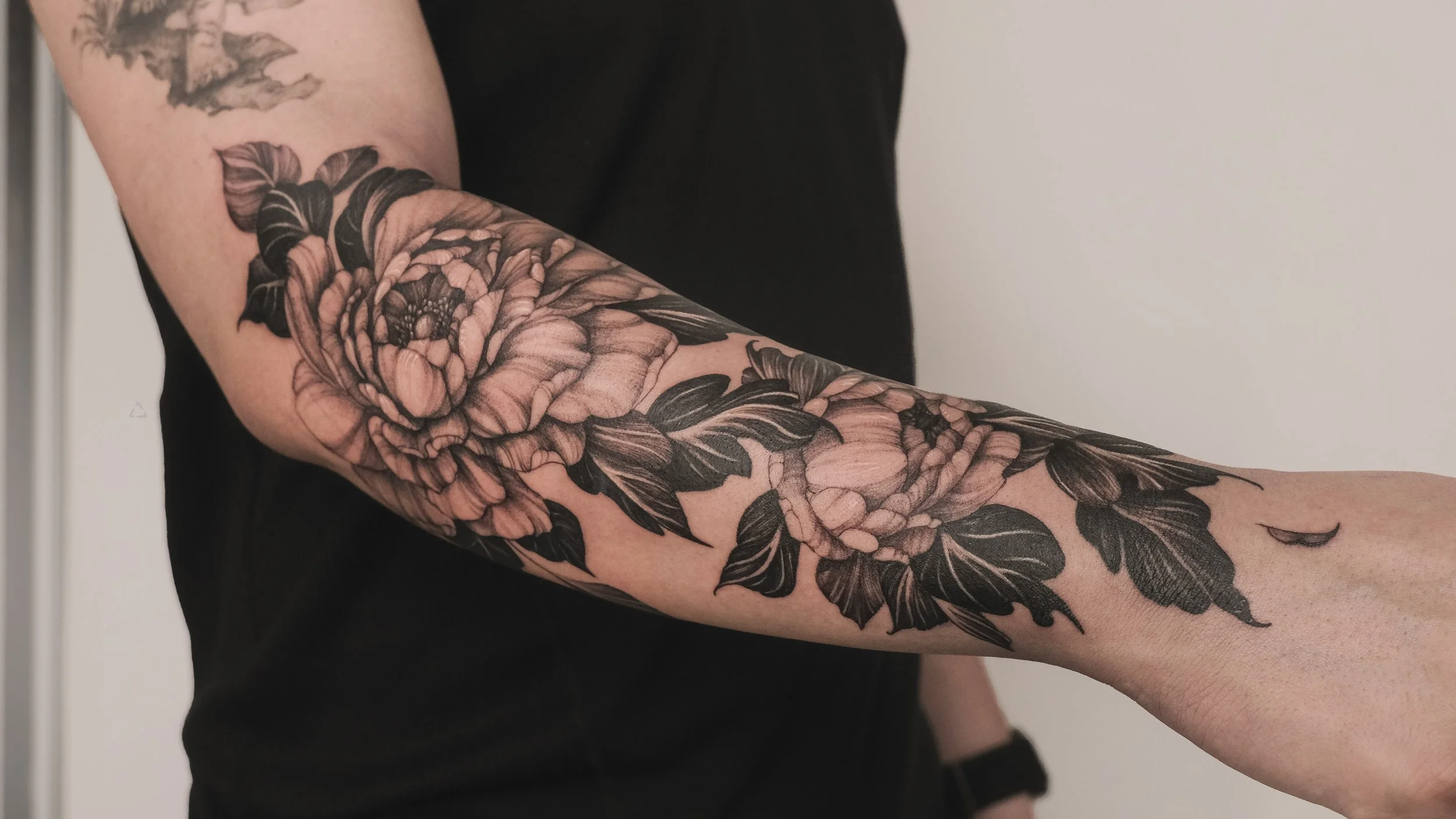
Fine-line techniques bring a unique softness and clarity to almost any concept. By focusing on line precision rather than heavy shading, this style elevates simple ideas into delicate masterpieces.
Botanical & Floral Art
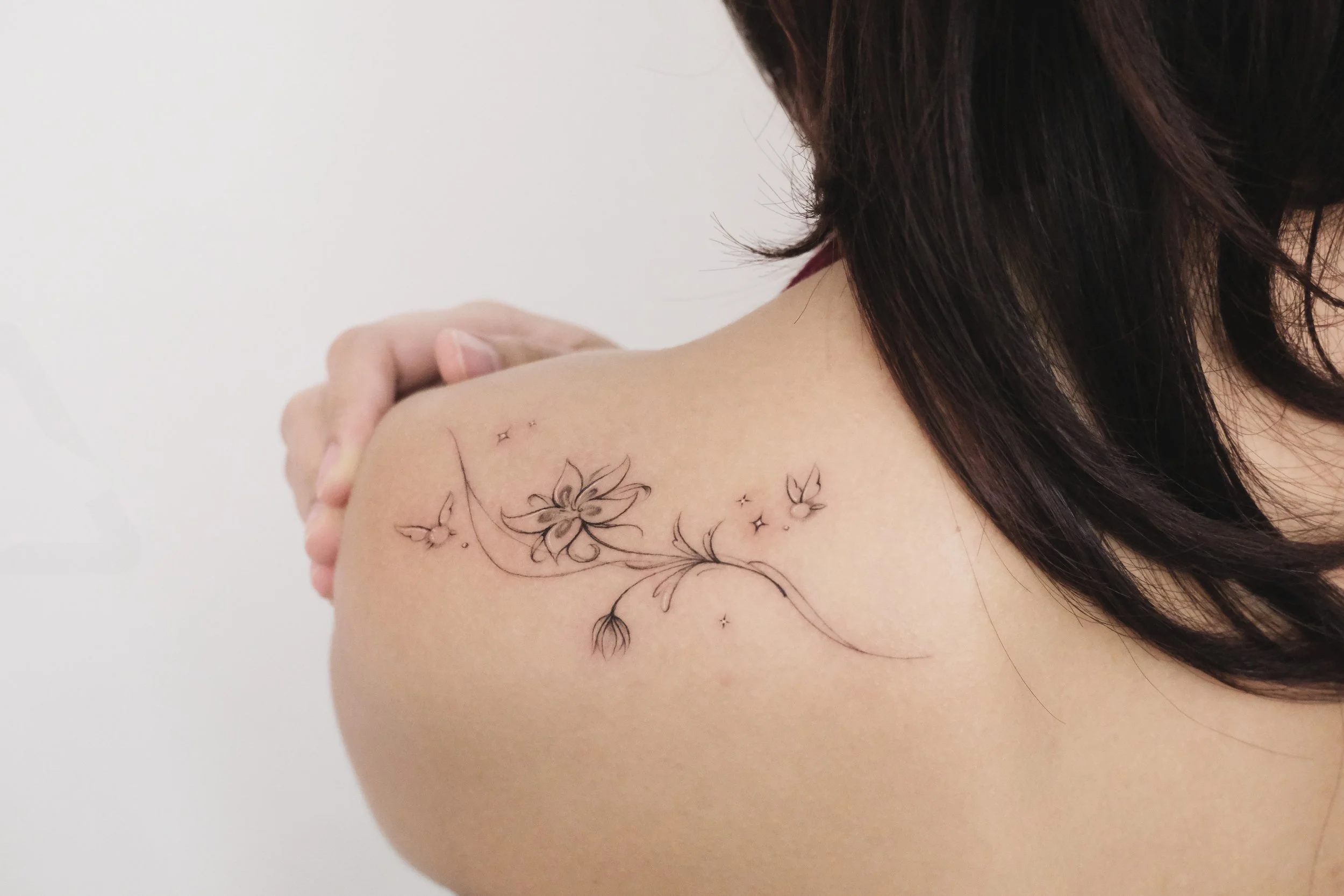
Delicate wildflower stems, fine-petaled roses, lavender sprigs, and leafy vines that drape naturally along the contours of the body.
Script & Micro-Typography
Handwritten quotes, meaningful dates, names, or single words crafted with crisp, razor-thin line work for a graceful, personal touch.
Micro-Realism
Miniature portraits, architectural skylines, pet portraits, or famous artwork condensed into tiny, highly detailed pieces.
Celestial & Astrology
Dainty stars, crescent moons, constellation maps, sun designs, and zodiac symbols drawn with light, subtle lines.
Minimalist Animals & Nature
Sleek, continuous-line animals, delicate butterflies, geometric waves, or minimalist mountain outlines.
Geometric & Fine Patterns
Sacred geometry, thin linework bands, abstract line art, and balanced symmetry that offer a modern, architectural feel.
Fine Portfolio

Not satisfied?
Fine-Line Tattoos: Frequently Asked Questions
-
Fine-line tattoos are created using single needles or very small needle groupings. Instead of the bold, thick outlines and heavy black shading typical of traditional styles, fine-line work focuses on razor-thin precision, subtle detail, and an open, delicate aesthetic.
-
Generally, yes. Because fine-line tattoos use fewer needles and require less depth and pressure to deposit ink into the skin, many clients report less discomfort during the session compared to heavy shading or thick linework. However, pain still depends on the tattoo's placement on your body.
-
Because fine lines deposit less ink into the skin, they naturally settle and soften over time. While all tattoos age, fine-line tattoos require precise technique by an experienced artist to avoid "blowouts" (ink spreading) or fading prematurely. Proper aftercare and sun protection are key to keeping fine lines sharp.
-
While fine lines look beautiful almost anywhere, they tend to hold up best on flat, low-friction areas like the inner forearm, outer arm, upper thigh, and ribs. High-friction or fast-shedding areas—like fingers, palms, toes, and wrists—may require touch-ups down the road to keep the lines crisp.
-
They are ideal. Fine-line pieces are often smaller, take less time to complete, and involve lighter needle application, making them a gentle, low-stress entry point for anyone getting their very first tattoo.
-
Yes! Fine-line artists often use soft greywash or delicate stippling (dotwork) to add subtle depth, texture, and dimension without overpowering the delicate linework. This is how detailed micro-realism and miniature portraits are achieved.
-
Some fine-line pieces—especially micro-tattoos or finger designs—may benefit from a quick touch-up after the initial healing process (around 4 to 6 weeks) to reinforce any areas where the delicate ink lightened up during healing.
-
Fine-line tattoos are typically faster to execute than larger, shaded pieces. Small to medium minimalist designs often take 30 minutes to 2 hours, while intricate micro-realistic portraits or detailed floral arrangements may take 3 to 5 hours.
-
Because fine-line tattoos create less trauma to the skin, they usually heal quickly (about 1 to 2 weeks). Keep the area clean using a mild, fragrance-free soap, apply a very light layer of fragrance-free moisturizer, and strictly avoid picking or scratching as the skin lightens up.
-
Pricing depends on the artist's rate structure, design detail, and placement. Small, simple fine-line pieces often fall within a shop minimum ($80 to $150), while highly detailed custom or micro-realism designs are priced at hourly or flat rates.